
For a lot of people, the workday doesn’t really start until the first sip of coffee.
That’s why more companies are upgrading from a basic drip pot in the corner to café-quality coffee programs—bean-to-cup machines, espresso drinks, cold brew on tap, and curated specialty beans—right inside the office.
This isn’t just about caffeine. Done right, office coffee becomes a daily ritual, a relationship-builder, and a quiet but powerful culture signal.
Let’s look at what the research says and how “bringing the café to the office” pays off for both employees and the business.
Why coffee is such a big deal at work
Recent surveys and industry research paint a pretty clear picture:
- A Nespresso-backed study found 65% of employees expect high-quality office coffee, 77% say coffee breaks are important, and 64% value coffee-break conversations with coworkers.
- A 2025 Thrive London poll reported that 98% of employers believe good coffee plays a vital role in staff wellbeing, while 82% of employees say access to good coffee improves their mood and productivity.
- In the same poll, 70% of workers called coffee machine chats the most social part of their day, and 91% said those moments help build teamwork and camaraderie.In other words: coffee is less of a “nice-to-have” and more of a core workplace experience.
How café-quality coffee boosts culture & morale
1. A daily “mini-perk” that employees actually use
Food and beverage perks are some of the most visible ways a company shows it cares. One workplace food-service analysis found that 78% of employees say access to food at work makes them feel more valued, and companies that offer free or subsidized food enjoy 67% higher employee satisfaction.
Coffee sits at the center of those perks: it’s used every day, by a large share of the team, across departments and seniority levels.
💡 Culture impact: When employees feel seen and cared for in the small, everyday things, it reinforces trust and pride in the organization.
2. Coffee breaks = connection time
Coffee is also a social technology.
- The Thrive London poll found that 70% of employees see coffee machine interactions as the most sociable moment of their workday, and 91% believe those moments help build camaraderie.
- Research on food-based perks shows that when companies create spaces for people to connect over food or drinks, it strengthens community and a positive workplace environment.
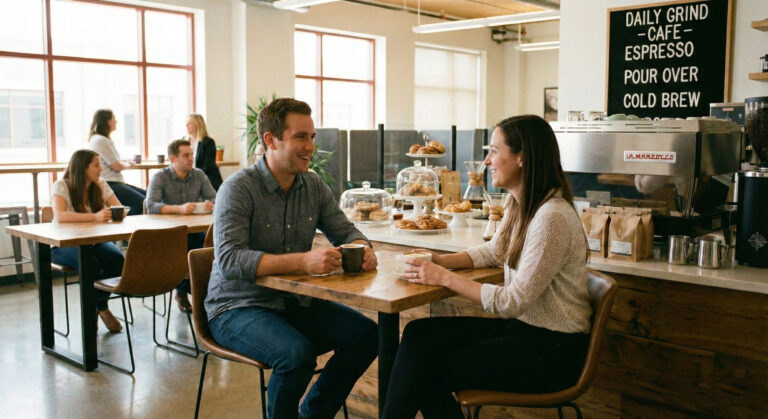
Those quick “How’s your day?” chats at the espresso machine often lead to cross-team collaboration, informal mentoring, and the kind of relationships that keep people around.
💬 Culture takeaway: A well-designed coffee area becomes a micro-hub for connection, not just a place to grab caffeine.
How better coffee supports productivity & performance
3. Focus, energy, and fewer offsite coffee runs
Quality coffee, plus easy access, does a few things at once:
- Employees can recharge quickly onsite instead of leaving the building for a coffee run (which often turns into 20–30 minutes of lost time).
- Breakroom drink programs that include coffee, tea, and flavored waters help employees stay alert and energized, which supports focus and overall efficiency.
- Several analyses of office coffee programs note that good coffee improves alertness, mood, and cognitive performance, contributing to higher individual productivity and better team output.
Productivity isn’t just about grinding non-stop—it’s about short, restorative breaks that let people come back to their work sharper.
4. Engagement, retention, and employer brand
Premium coffee is becoming a quiet differentiator in competitive talent markets:
- A 2024–2025 review of premium office coffee programs highlights them as a high-ROI perk that boosts employee engagement and retention, especially when framed as part of a broader wellness and culture strategy.
- One case cited by Bean2Me: at UBS, the introduction of free coffee was associated with a 12% increase in employee retention, as employees perceived it as a strong gesture of appreciation and support. That’s a lot of impact from a relatively low-cost amenity.
🏆 Business takeaway: A thoughtful coffee program can punch far above its weight in terms of engagement, retention, and reputation as a great place to work.
What “café-quality” coffee in the office actually looks like
Bringing the café to the office doesn’t necessarily mean hiring a full-time barista (though some companies do).
Here’s what a modern, café-style program often includes:
- High-quality beans & brewing
- Freshly roasted beans, dialed-in grind and brew settings, and equipment that can deliver espresso, americanos, and lattes—not just basic drip.
- Paper-filtered or well-designed machines that balance flavor with better filtration, which recent research suggests supports cardiovascular health more than some older, unfiltered office machines.
- Variety that respects preferences & wellness
- Regular + decaf, cold brew, and maybe a flavored option (e.g., vanilla or seasonal syrups).
- Good non-dairy milks (oat, almond) plus basic sweeteners.
- Self-serve, but premium feel
- A welcoming space around the machine
- Thoughtful design: clean counters, a few stools or a standing table nearby, and maybe a board highlighting “Coffee of the Month” or origin stories.
- Thoughtful design: clean counters, a few stools or a standing table nearby, and maybe a board highlighting “Coffee of the Month” or origin stories.
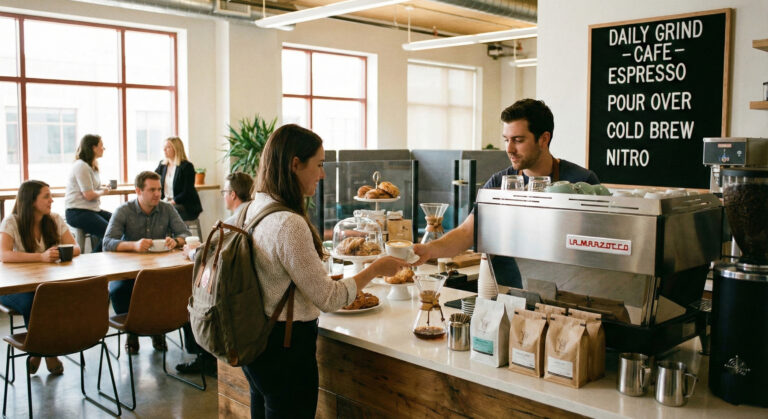
How micro markets, vending & pantry programs support great coffee
You don’t have to choose only coffee. The strongest programs integrate coffee into a bigger breakroom experience:
1. Micro markets + café coffee
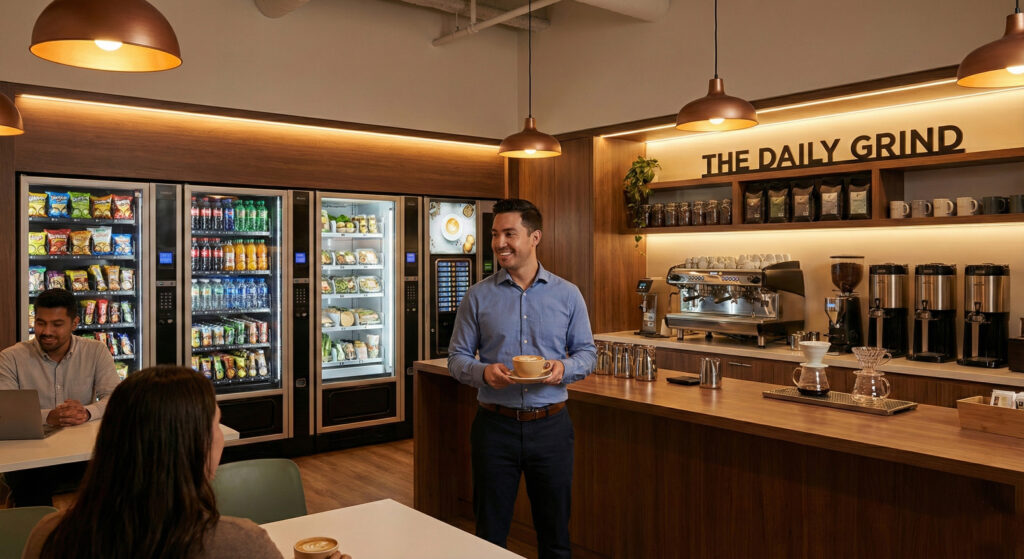
Micro markets (self-serve, open coolers and shelves with self-checkout) pair perfectly with barista-style coffee:
- Fresh snacks + premium coffee = a mini café experience in your own office.
- Smart micro markets can track sales and preferences, helping you see how popular your coffee program is and what to rotate seasonally.
2. Modern vending + upgraded hot drinks
If space is tight, modern vending machines can still deliver high-quality beans and specialty drinks. Pairing better vending coffee with a few great snacks is a big leap from the old “instant coffee + candy bar” combo.
3. Free stocked pantry + specialty coffee
For culture-forward workplaces, a free breakroom pantry with:
- Beans or pods,
- Milks and syrups, and
- Light snacks
becomes a daily expression of your values. Studies on office kitchens and stocked breakrooms have found that these environments are associated with happier, more productive employees.
A simple roadmap to “bring the café to the office”
If you want something practical to hand to HR/Facilities, here’s a 4-step path:
- Listen to employees
- Quick pulse survey: what do people drink now? What would they like (cold brew, espresso, non-dairy, tea)?
- Ask how often they leave the office for coffee.
- Pick your model
- Small team: premium machine + basic pantry snacks.
- Mid/large office: micro market + barista-style machines.
- Hybrid teams: onsite program + occasional coffee gift cards or shipped beans for remote staff.
- Design the experience, not just the machine
- Make the coffee zone a place people want to hang out: clean, branded, with a couple of perches to chat.
Add small touches like “Coffee of the Month,” tasting notes, or seasonal drinks.
- Make the coffee zone a place people want to hang out: clean, branded, with a couple of perches to chat.
- Measure & share the impact
- Track usage, employee feedback, and reductions in offsite coffee trips.
- Include questions about breakroom and coffee satisfaction in your next engagement survey.
- Share wins: “X drinks served this month,” “Top 3 favorite drinks,” or “# of hours saved from fewer coffee runs.”
Final thought: Coffee is small—but it signals something big
When you bring the café to the office, you’re not just serving better coffee. You’re sending a clear message:
We want you to feel energized, connected, and at home here.
That message shows up in mood, in hallway conversations, in how often people choose to come in—and ultimately, in how long they choose to stay.